These are 9 simple reminders about what you can actually do to be more comfortable during your time on board a plane.
Sit in bulkhead or exit row aisles. Bulkheads offer extra leg room and no one can recline his seat back into your face. Remember that you have to store your carry-on luggage in the overheads though. Exit rows have the luxury of extra foot room, but you must be able to open the emergency door if needed.
Dress for duress.
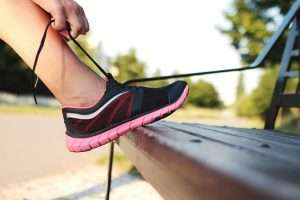
Wear flat-soled, lace-up shoes so you can loosen them if your feet swell. Rubber soles might catch on the exit slide during an emergency, and dress shoes don’t adjust for swelling.
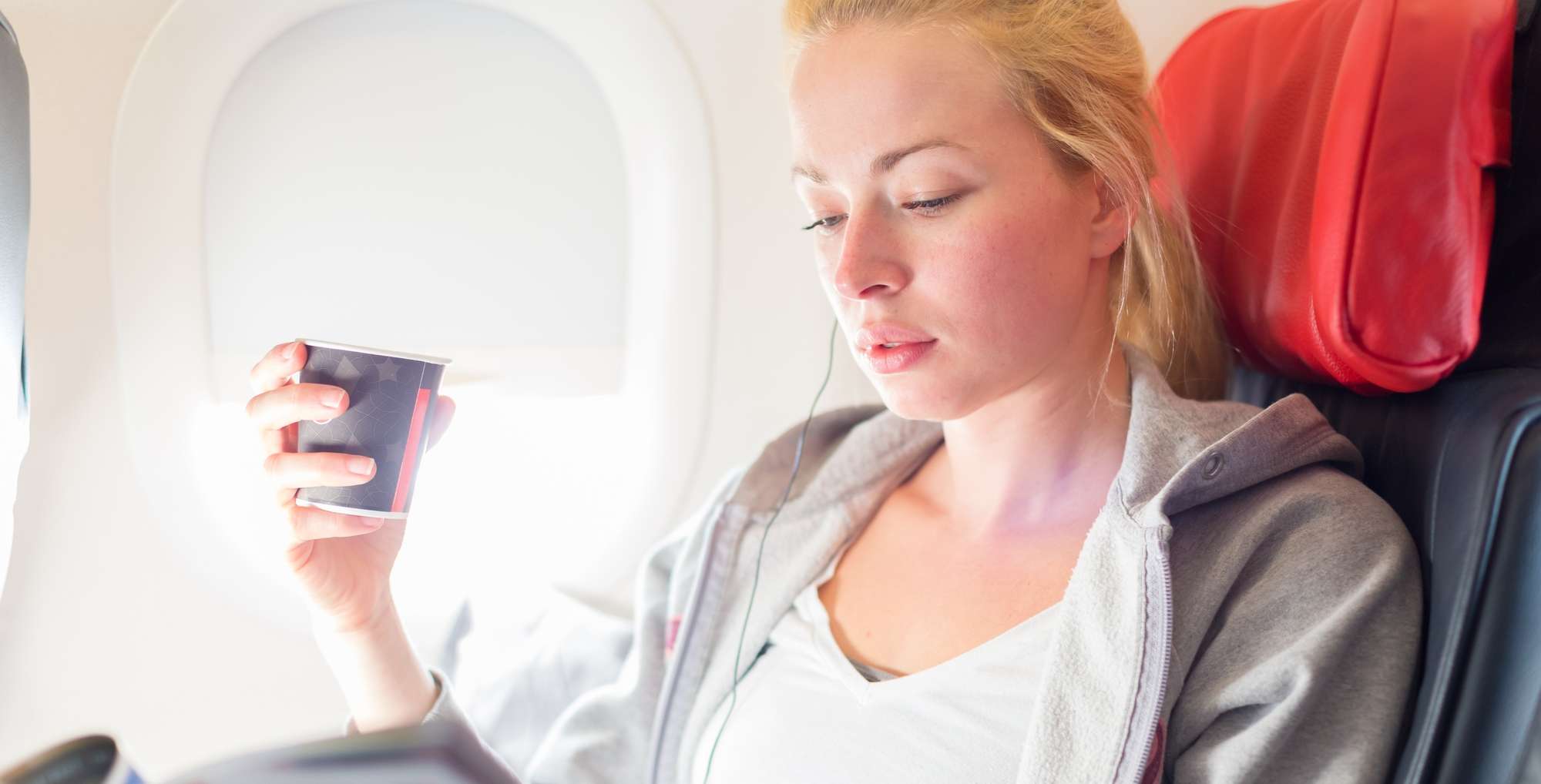
Entertain yourself. Bring plenty of magazines; they’re lighter than books and disposable. Don’t forget your iPod, either; it’s the perfect way to catch up on those podcasts you’ve been meaning to listen to or to avoid unwelcome chatter from the person sitting next to you
Do “air-aerobics“.
A number of airlines offer in-seat exercise routines to help reduce swelling and pain from cramped muscles and reduced circulation. A number of airlines offer in-flight tips.
Fix your posture. Airline seats don’t adjust for relaxed spinal posture. Support your lumbar spine with a rolled-up blanket and your head and neck with a pillow. Another pillow or blanket to prop up your feet will relieve pressure on the backs of your thighs.
Sit up front.
A recently released Harvard study found air quality in aircraft cabins didn’t meet minimum standards for office buildings. You’ll find less carbon dioxide in forward seats. During layovers, get off and take a walk; breathe deeply.
Drink eight ounces of water every hour.
Airplane air has only 1% to 10% humidity, even less than most deserts. You’ll need more than the two small cart drinks offered on most flights. Bring your own bottle, and ask for a fill up on the first round of drinks; avoid coffee, alcohol and carbonated drinks, which are dehydrating diuretics.
Eat light.
Even if you order vegetarian meals, everything but fruit plates contains too much salt and fat. Bring your own healthy snacks, like dehydrated soups or nutrition bars. Don’t overeat, since your internal organs naturally swell due to cabin pressure changes.
Use daylight to adjust to a new time zone.
If you are traveling east, you must expose yourself to light early, advancing your body clock so that it will be in sync with the new time zone. Conversely, if traveling west, you should expose yourself to light at dusk and the early part of the evening, delaying your body clock so that it will be in sync with the new time zone. This may be best understood with an example. Let’s say that at 7 p.m. you board a plane in New York that is scheduled to arrive in London at 7 a.m. local time (when it’s 2 a.m. in New York). You’re traveling east, which means you need to advance your internal clock toward London time. To do that, avoid any kind of light during the flight because the exposure will delay your body clock rather than advance it. Make sleep come easier with a cozy, compact and clean travel blanket and your pillow.
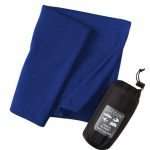
Cozy, compact and clean travel blanket.
9 Tips for In Flight Comfort was last modified: May 23rd, 2018 by Beth Williams





 Fix your posture.
 Drink eight ounces of water every hour.